
U.S. Multifamily Real Estate in 2026 and Beyond: An Investor Guide to Cycles, Strategy, and Opportunity
Introduction: A Market Reset, Not a Collapse
The U.S. multifamily real estate sector is undergoing one of the most misunderstood transitions in modern market history. Headlines often frame the current environment as one of weakness—rising concessions, muted rent growth, and capital market dislocation. But beneath the surface, the data tells a far more nuanced and ultimately bullish story.
The sector is finding its footing, moving through a late-cycle reset into an early-stage expansion phase. In this environment, success is no longer driven by cheap capital or rapid rent appreciation. Instead, it is driven by disciplined underwriting, operational execution, and—above all—basis.
This article provides a comprehensive, deep dive into the current state and future trajectory of multifamily real estate in the United States, designed for investors, operators, and decision-makers.
Table of Contents
The Evolution of Multifamily Cycles
2026 Market Overview: Where We Stand Today
Supply Shock: The Largest Delivery Wave in Decades
Demand Drivers: Why Renters Aren’t Going Anywhere
Regional Divergence: Winners and Losers by Market
Capital Markets & Debt Dynamics
Rent Growth Forecasts and NOI Implications
The 5-Year Investment Thesis (2026–2031)
High-Conviction Investment Strategies
Risks Every Investor Must Underwrite
Multifamily vs. Other Asset Classes
How Technology Is Changing Multifamily Investing
The Role of Platforms Like CoreCast and Fractional Analysts
Conclusion: The Next Golden Window
1. The Evolution of Multifamily Cycles
To understand where multifamily is headed, it’s critical to understand where it has been.
The Liquidity Era (2015–2019)
This period was defined by:
Historically low interest rates
Aggressive lending environments
Cap rate compression
Rapid rent growth driven by pandemic migration
Capital—not operations—drove returns.
The Correction Phase (2020–2025)
The market shifted dramatically due to:
Interest rate hikes
Financing constraints
Declining transaction volume
Negative leverage in many deals
This phase exposed weak underwriting and overleveraged capital stacks.
The Reset & Repricing Phase (2025–2027)
We are now here.
Key characteristics include:
Cap rates expanding but stabilizing
Increased transaction activity from distressed sellers
Focus on operational efficiency
The Next Expansion (2027+)
As supply declines and rent growth returns, multifamily enters a new expansion cycle—but with more disciplined fundamentals.
2. 2026 Market Overview: Where We Stand Today
The current multifamily market is defined by contradiction:
Occupancy remains relatively high
Absorption is still positive
Yet rent growth is muted
This dynamic reflects a supply-driven slowdown—not a demand collapse.
Key Takeaways
Multifamily fundamentals remain resilient
Short-term NOI pressure is real
Long-term demand drivers remain intact
The most important takeaway: this is not 2008. There is no systemic demand collapse—only temporary oversupply.
3. Supply Shock: The Largest Delivery Wave in 40+ Years
One of the defining features of the current cycle is an unprecedented supply surge.
The Numbers
Peak deliveries: ~690,000 units in 2024
Delivery window: 2024–2026
Largest supply wave in over four decades
Impact on the Market
This surge has led to:
Rent stagnation or declines in oversupplied markets
Increased concessions (free rent, discounts)
Elevated lease-up risk for new developments
Why This Happened
Low interest rates incentivized development starts in 2020–2022
Pandemic migration fueled optimistic demand assumptions
Construction pipelines lagged demand signals
The Key Insight
Supply shocks are temporary—but their effects create opportunity.
4. Demand Drivers: Why Renters Aren’t Going Anywhere
Despite short-term headwinds, the demand side of the equation remains structurally strong.
1. Homeownership Affordability Crisis
Rising mortgage rates and home prices have pushed ownership out of reach for many Americans.
Result: renters stay renters longer.
2. Demographic Tailwinds
Millennials are in peak renting years
Gen Z is entering the rental market
This creates a sustained demand floor for multifamily housing.
3. Household Formation
Even in a high-rate environment, household formation remains positive.
4. Migration Patterns
Population shifts continue to reshape demand across regions, creating localized opportunities.
5. Regional Divergence: Winners and Losers by Market
Perhaps the most important theme in multifamily today is regional divergence.
Oversupplied Markets (Short-Term Weakness)
These markets experienced aggressive development pipelines:
Austin
Phoenix
Dallas
Denver
Las Vegas
Drivers of weakness include:
Overbuilding
Pandemic-era migration overshoot
Slowing inbound demand
Supply-Constrained Markets (Outperformers)
These markets benefit from limited new construction:
New York City
Chicago
Midwest metros (Indianapolis, Columbus, Minneapolis)
Northeast secondary markets
Emerging Secondary Winners
Kansas City
Raleigh
Salt Lake City
Boise
These markets offer:
Lower supply pipelines
Affordability-driven migration
Growing job bases
Key Strategic Insight
Not all multifamily is equal. Market selection is now more important than asset selection.
6. Capital Markets & Debt Dynamics
The capital markets environment is one of the most critical factors shaping investment strategy.
The Debt Maturity Wall
~$875 billion in CRE loans maturing by year-end 2026
This creates significant pressure across the market.
Lending Environment
Banks are pulling back
Private credit is filling the gap
Debt is more expensive and less available
What This Means for Investors
Increased distress
More recapitalization opportunities
Greater negotiating power for buyers
"Extend and Pretend" vs. Forced Sales
Lenders are:
Extending loans in some cases
Forcing recapitalizations in others
Selling discounted notes when necessary
Transform Your Real Estate Strategy
Access expert financial analysis, custom models, and tailored insights to drive your commercial real estate success. Simplify decision-making with our flexible, scalable solutions.
7. Rent Growth Forecasts and NOI Implications
Short-Term Outlook
2026: ~0.5% rent growth
2027: ~1% rent growth
Medium-Term Outlook
2028+: 2–3% rent growth as supply clears
Implications for NOI
Near-term compression
Mid-term expansion
Investor Interpretation
This is a timing arbitrage opportunity:
Buy when NOI is weak → benefit when NOI recovers.
8. The 5-Year Investment Thesis (2026–2031)
The next five years can be broken into three distinct phases.
Phase 1: Dislocation (2025–2027)
Distress increases
Pricing dislocates
Best buying opportunities emerge
Target:
10–30% discounts to replacement cost fileciteturn0file0
Phase 2: Recovery (2027–2029)
Supply declines
Rent growth accelerates
NOI expands
Phase 3: Stabilization & Exit (2029–2031)
Cap rates compress
Institutional capital returns
Exit window opens
9. High-Conviction Investment Strategies
1. Basis-Driven Investing
The most important principle in today’s market:
Basis is everything.
Investors should:
Buy below replacement cost
Avoid overpaying for stabilized assets
2. Distressed Opportunities
Focus on:
Overleveraged sponsors
Broken capital stacks
Loan sales
3. Sun Belt Repricing Plays
Markets like Austin and Phoenix offer long-term upside—but only at discounted entry points.
4. Midwest & Northeast Overweight
These regions offer:
Stronger rent growth potential
Limited supply
5. Workforce Housing Focus
1–2 star assets outperforming
Less competition from new supply
6. Preferred Equity & Mezzanine Debt
Provides:
Higher yields
Better downside protection
7. Office-to-Multifamily Conversions
90,000+ units in pipeline
10. Risks Every Investor Must Underwrite
1. Prolonged High Interest Rates
Delays recovery
Pressures valuations
2. Policy Risk
Rent control
Zoning changes
3. Consumer Weakness
Wage stagnation limits rent growth
11. Multifamily vs. Other Asset Classes
Compared to office and retail, multifamily remains:
More stable
More liquid
More institutionally favored
Unlike office, multifamily demand is not structurally impaired.
12. How Technology Is Changing Multifamily Investing
Modern multifamily investing increasingly relies on data-driven decision-making.
Key trends include:
Real-time rent analytics
Predictive occupancy modeling
Automated underwriting tools
13. The Role of Platforms Like CoreCast and TFA
As markets become more complex, investors are turning to hybrid models that combine human expertise with technology.
Direct Servicing (TFA)
On-demand underwriting
Market research
Deal support
Self-Servicing (CoreCast Platform)
Scalable analytics
Faster decision-making
Standardized insights
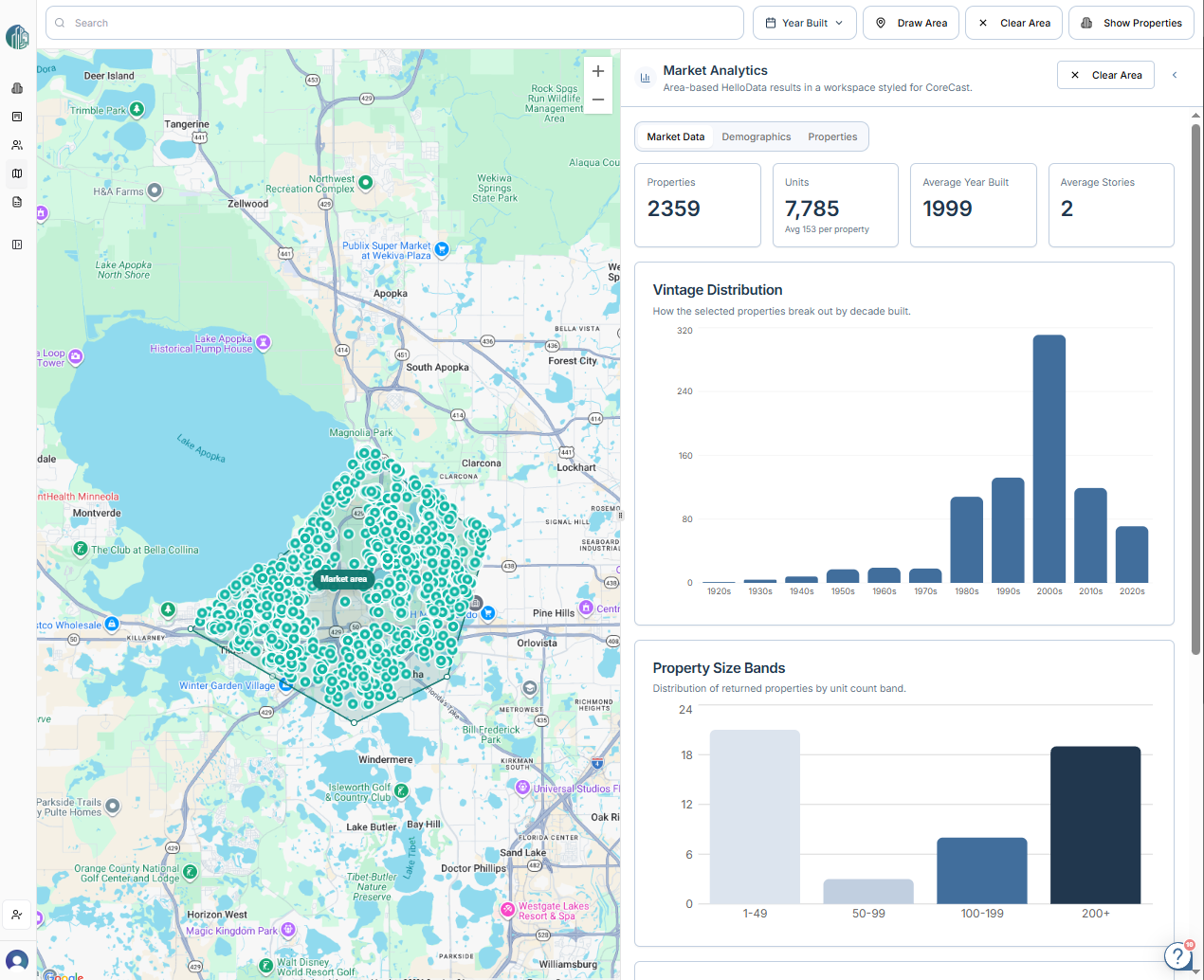
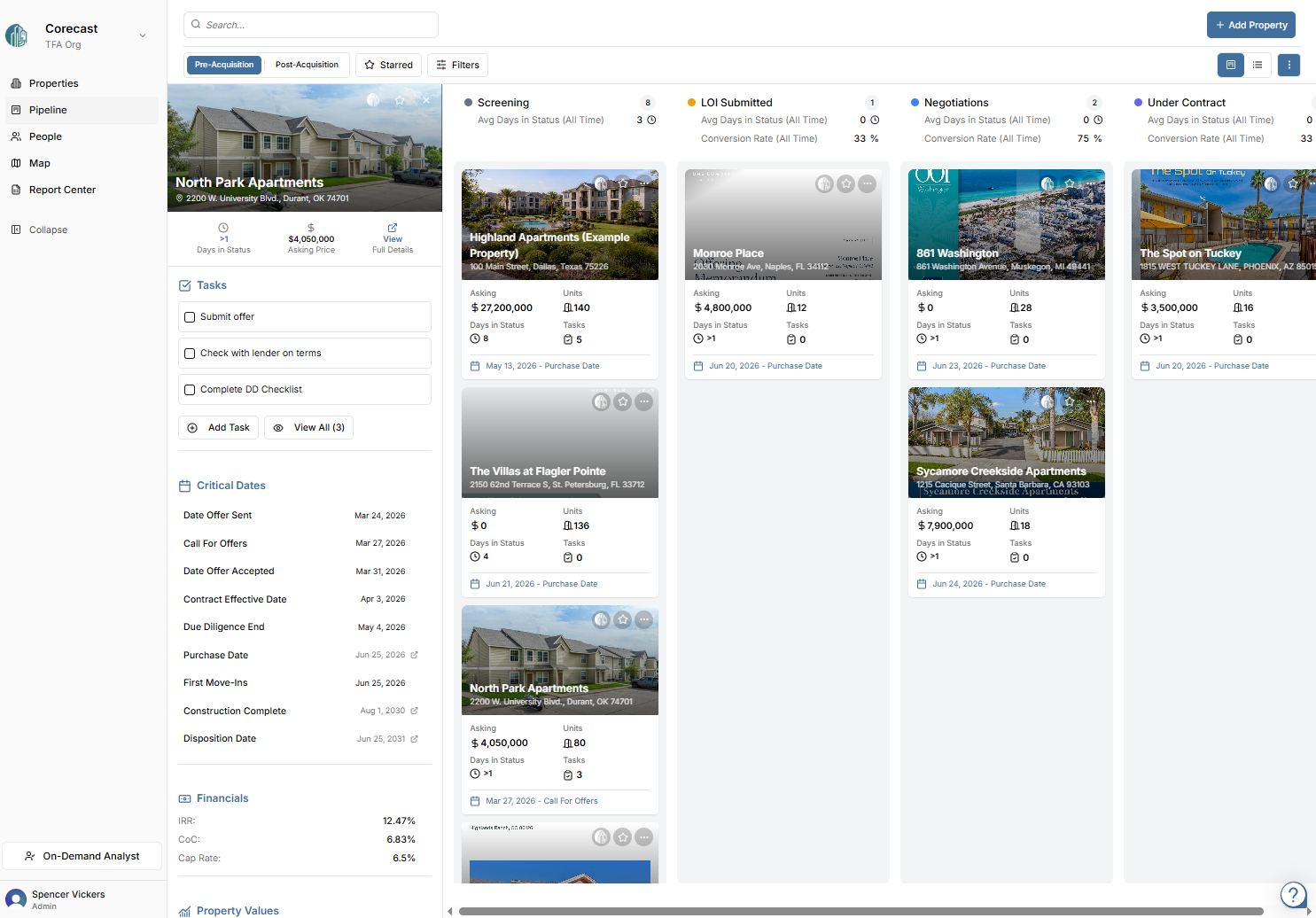
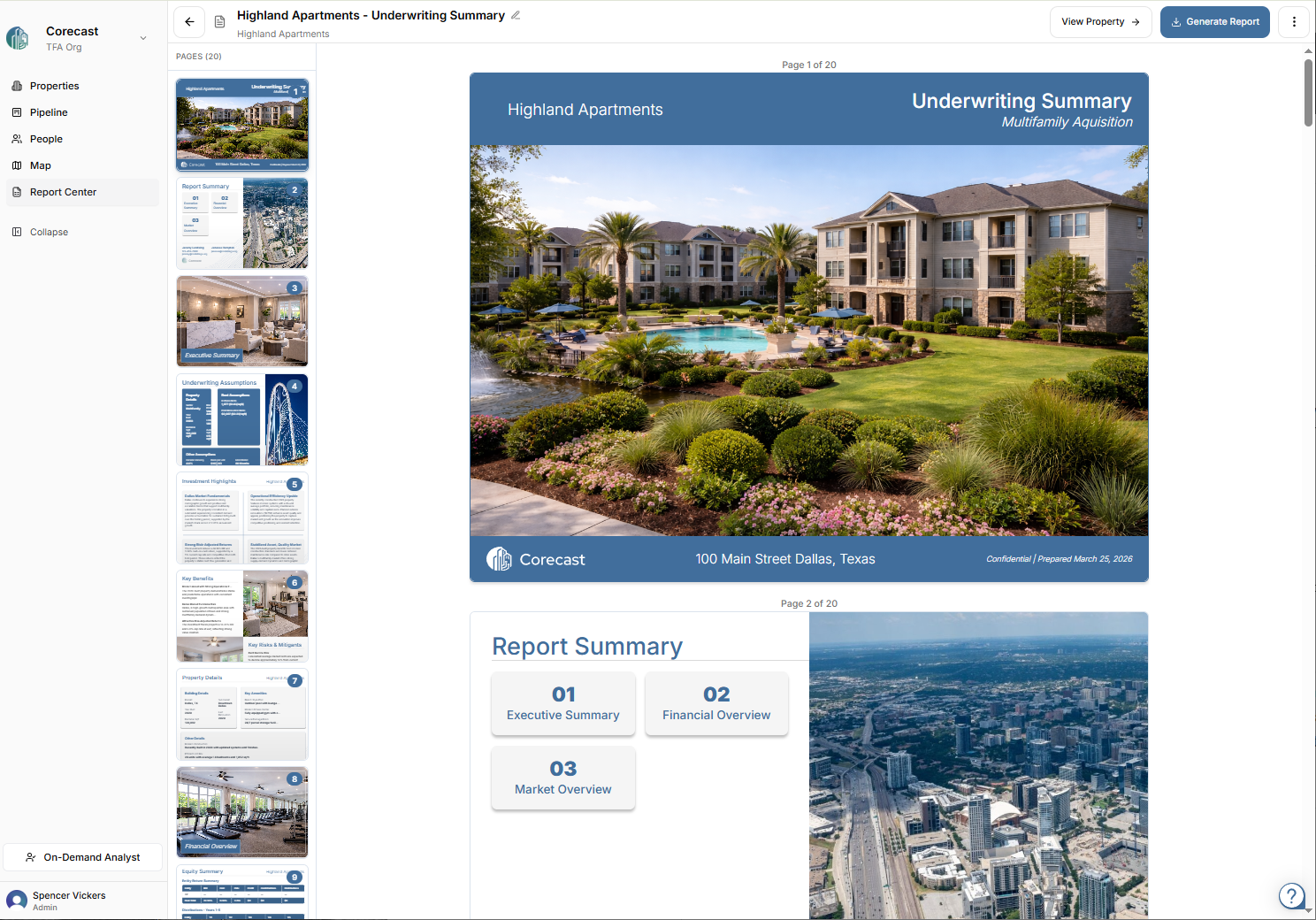
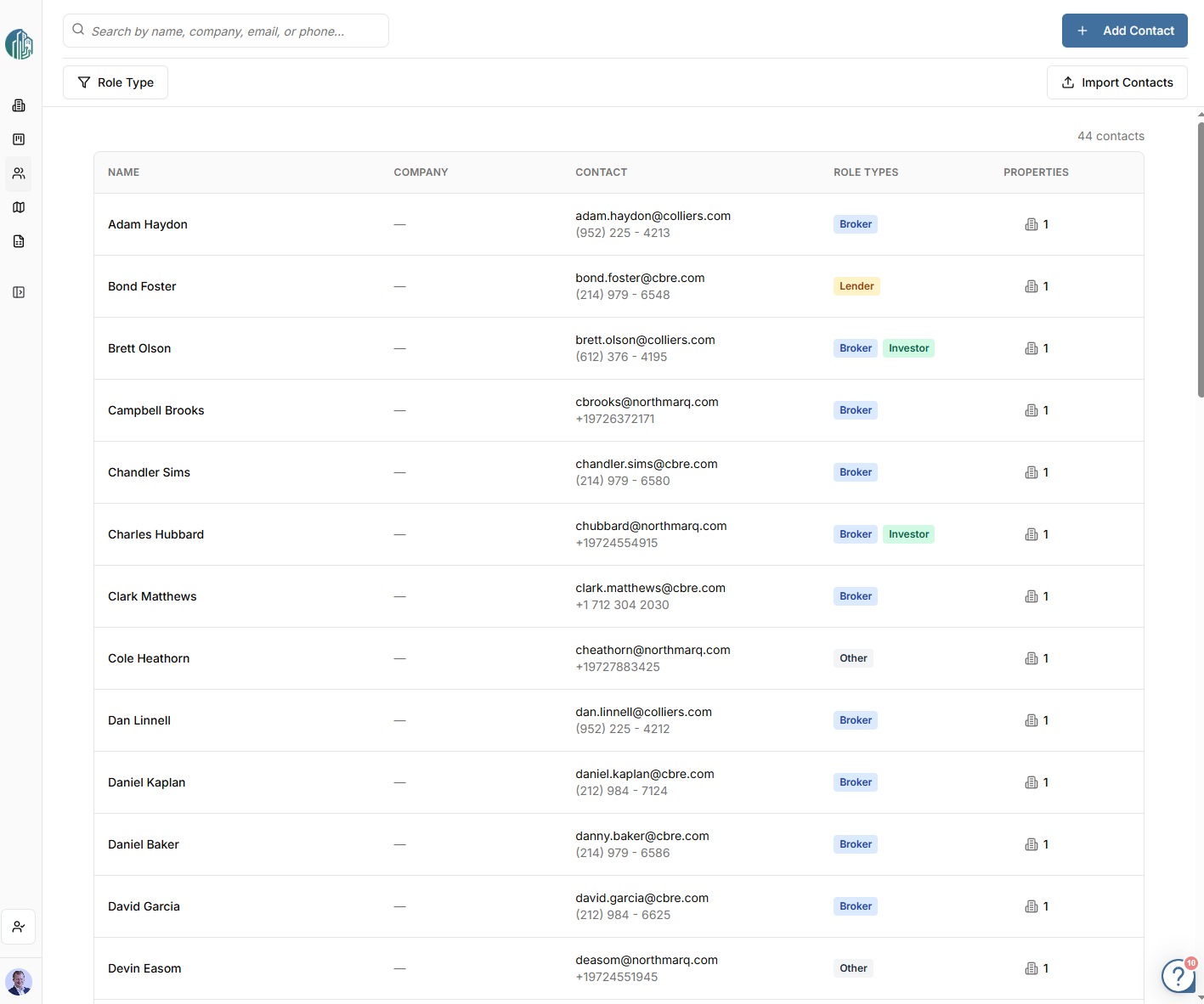
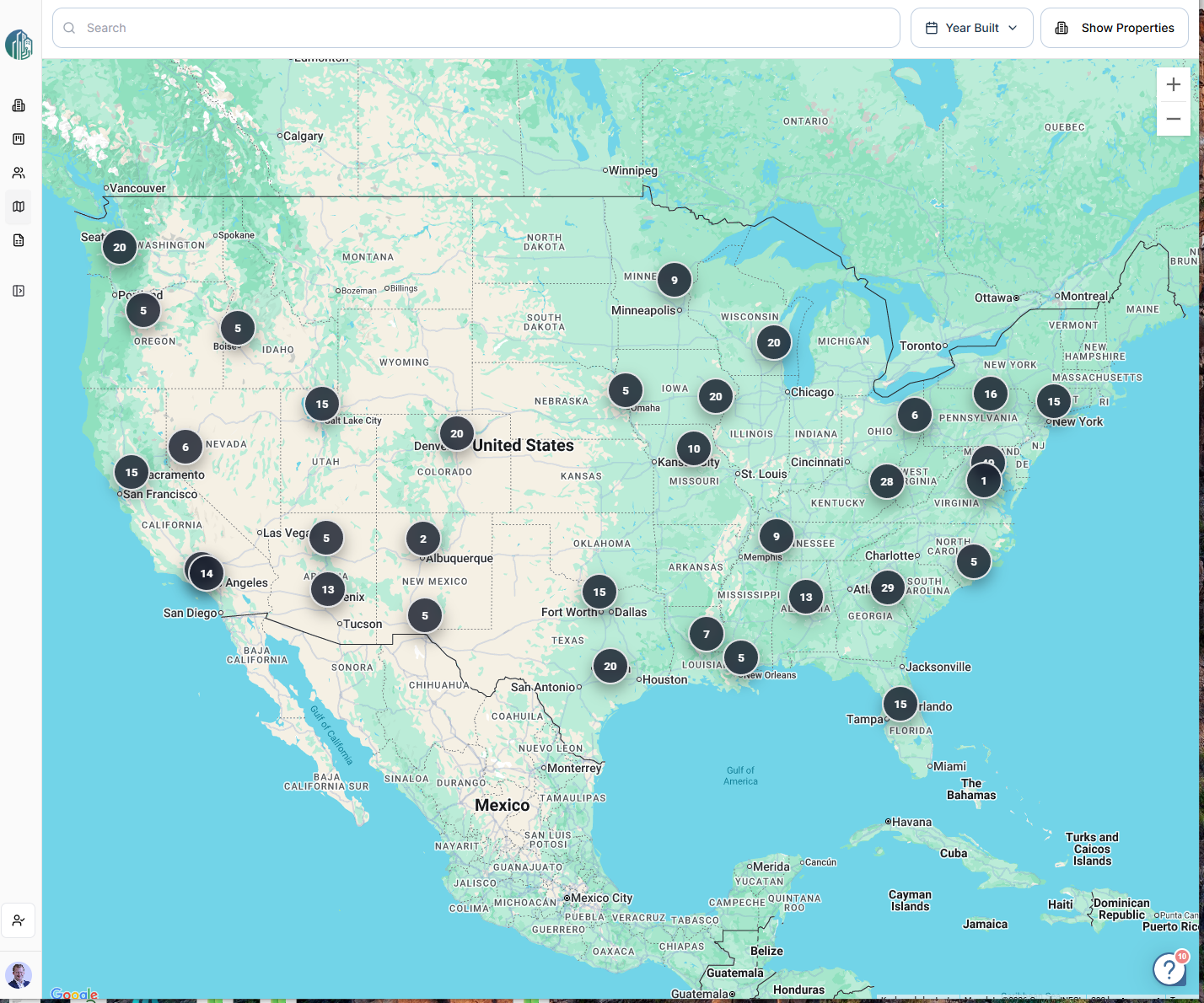
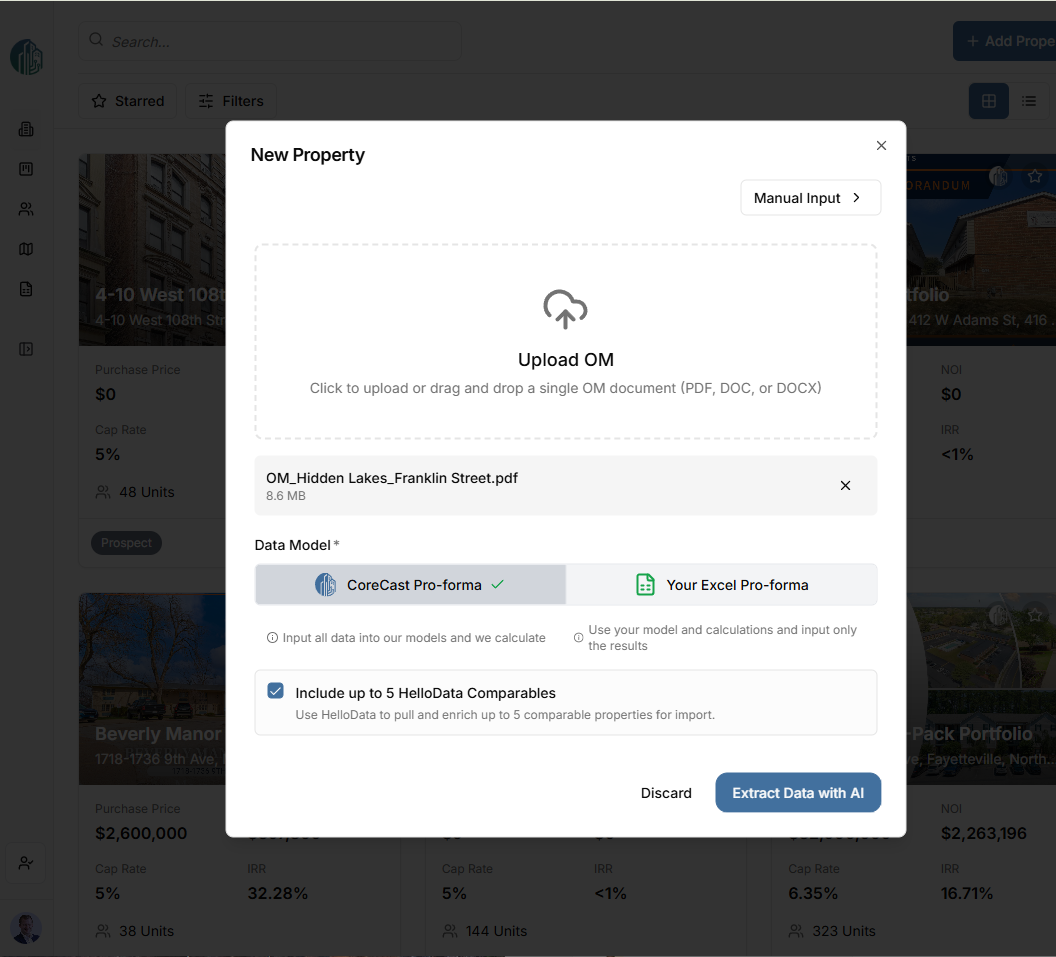
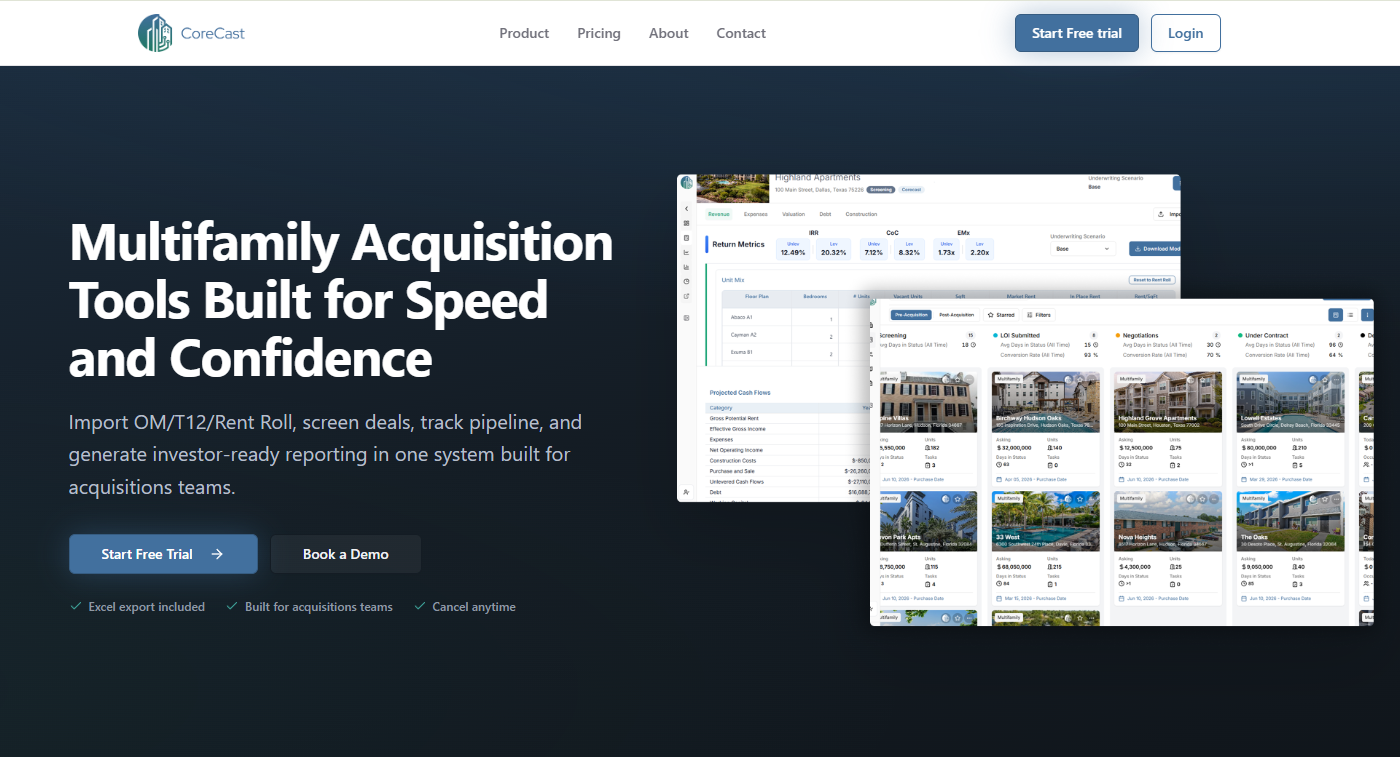
These models enable investors to operate more efficiently in a margin-compressed environment.
14. Conclusion: The Next Golden Window
Multifamily real estate is not broken—it is repricing.
Short-term challenges include:
Supply glut
NOI pressure
But long-term fundamentals remain intact:
Structural housing shortage
Strong demographic demand
The next 24 months represent one of the most compelling buying windows since the post-GFC era.
Final Takeaway
Be aggressive—but selective
Prioritize basis over yield
Think in cycles, not headlines
Looking to navigate the multifamily market with institutional-grade insights?
Explore how The Fractional Analyst can support your investment strategy through on-demand expertise or leverage CoreCast to scale your underwriting process.
Sources
Yardi Matrix – U.S. Multifamily Market Report
https://www.yardimatrix.com/publications/us-multifamily-market-reportCBRE – U.S. Multifamily Figures & Forecast
https://www.cbre.com/insights/books/us-real-estate-market-outlook/multifamilyJLL – U.S. Multifamily Outlook
https://www.us.jll.com/en/trends-and-insights/research/multifamily-market-reportMarcus & Millichap – Multifamily Investment Forecast
https://www.marcusmillichap.com/research/market-forecastFreddie Mac – Multifamily Outlook
https://www.freddiemac.com/research/multifamilyFannie Mae – Multifamily Economic & Market Commentary
https://www.fanniemae.com/research-and-insightsNational Multifamily Housing Council (NMHC) – Industry Data & Research
https://www.nmhc.org/research-insightU.S. Census Bureau – Housing & Construction Data
https://www.census.gov/construction/nrc/index.htmlBureau of Labor Statistics (BLS) – Inflation & Wage Data
https://www.bls.govMoody’s Analytics – CRE & Multifamily Research
https://www.economy.comPwC & Urban Land Institute – Emerging Trends in Real Estate
https://www.pwc.com/us/en/industries/asset-wealth-management/real-estate/emerging-trends-in-real-estate.htmlMBA (Mortgage Bankers Association) – Commercial Real Estate Finance Outlook
https://www.mba.org/news-and-research/research-and-economics