
Weekly CRE Update - 1/27/2026
Industry & Innovation
AI Proptech fundraise: London-based real estate legal AI platform Orbital raised $60M Series B to significantly scale U.S. presence, signaling investor interest in CRE tech and transaction automation.
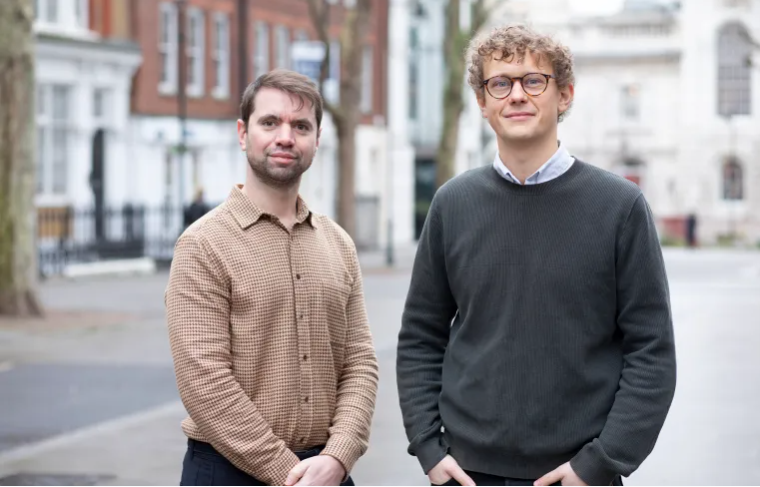
Real Estate Law Platform Orbital Raises $60M Series B
London-based proptech startup expanding into the U.S.
Development & Conversions
D.C. Office-to-Residential Conversion: The Geneva project — two office towers converting to 532 apartments with retail space — officially broke ground, highlighting adaptive reuse as a major trend in urban CRE amid declining office occupancy.
Connecticut Incentives for Conversions: Connecticut is proposing incentives (grants, tax breaks, loans) to spur office-to-apartment conversions in Fairfield County as vacancy rises, underscoring policy responses to underused office inventory.
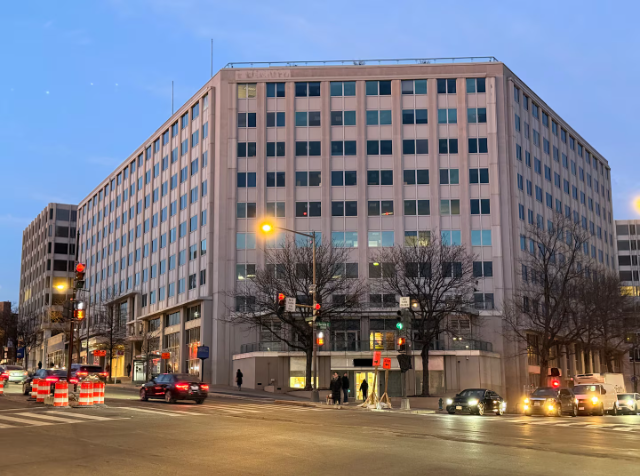
D.C.’s largest office-to-residential conversion is officially underway
A former office in Dupont Circle will become a 15-story, 532-unit apartment building, the kind of transformation that D.C. officials see as key to downtown’s future.
Transactions & Sales
Retail Plaza Sale: Big Y Plaza in Rocky Hill, CT sold for $14.3M, showing continued investor interest in neighborhood retail centers despite broader retail headwinds.
Market Snapshot — What’s Driving CRE Right Now
Here are the big themes shaping commercial real estate lately:
Office Sector
Adaptive reuse continues to be a major theme as traditional office demand softens. Cities like Washington, D.C., and states like Connecticut are actively converting or incentivizing conversions of surplus office space into residential or mixed-use.
Multifamily
Multifamily remains a core focus for developers and investors as housing demand stays robust and conversions often include residential components. (Trend seen across markets, including D.C.)
Industrial & Flex
Regional mixed-use developments integrating flex, R&D, and housing, such as Middletown Exchange by St. John Properties, highlight continued demand for flexible, innovation-oriented space.
Retail
Sales of suburban retail assets like plazas indicate ongoing investor appetite for stable, necessity-anchored retail.
Proptech & Innovation
Capital is flowing into CRE tech — AI platforms are scaling to improve transactional efficiency and legal workflows, reflecting broader digital transformation in real estate.
CRE Trends to Watch
Continued office repurposing incentives and policy support in key metros.
Rising investor interest in AI tools for transaction and property management efficiencies.
Mixed-use development integrating housing, R&D, and retail, especially in growing suburban markets.
Steady investor appetite for retail and necessity-based assets even as tenant behaviors evolve.